Most of us move through life armed with a set of beliefs about what counts as knowledge, certainty, and truth. We trust that with enough evidence, reason, or experience, we see things for what they are. But what if the world is changing faster than our views about knowing? We have noticed that many seek deeper meaning and a reliable compass for today’s complexity, but feel stuck with old models. To meet this challenge, it takes an honest look at how well our ways of knowing really fit the present.
When good answers lead to poor decisions
Think of the times you felt absolutely sure about something, only to later discover that the world was more tangled than your answers allowed. We have all been there. That sense of being blindsided is often a sign that our current way of organizing knowledge is no longer serving us. Let’s walk through seven signs that signal when an integrative update might be in order.
1. Complex problems keep returning unchanged
Have you noticed that the biggest challenges in your personal life, work, or community seem to repeat themselves? You tackle the issue, feel some progress, but sooner or later, it is back. The pattern suggests there is a mismatch between your problem-solving methods and the nature of the challenges themselves.
What we resist, returns in new disguises.
When simple solutions fail to shift deeply-rooted patterns, it is often because the explanations you rely on are too narrow to address the wider system at play.If knowledge from one discipline or point of view keeps producing circular debates or social dead-ends, it is a sign you might be missing perspectives that could better address the problem’s true complexity.
2. There’s a sense of fragmentation in your thinking
Life is not divided into neat academic subjects or categories. Yet, it is common to split our knowledge into silos: science here, philosophy there, emotion in another place. If, in your daily reflections, you notice that ideas rarely “talk to” each other, or that you feel scattered, moving from one frame to another without real connection, then your epistemology likely needs more integration.
- Are your emotional experiences left out of your thinking about facts?
- Do you trust “gut feeling” in some spaces but not in others?
- Have you noticed that what you value is never quite present when you look for objective answers?
A fragmented outlook leaves important elements ignored, pushing us to take rigid stands or repeat the same blind spots.We think unity brings clarity, and integration brings new possibilities.
3. You often feel caught between polar opposites
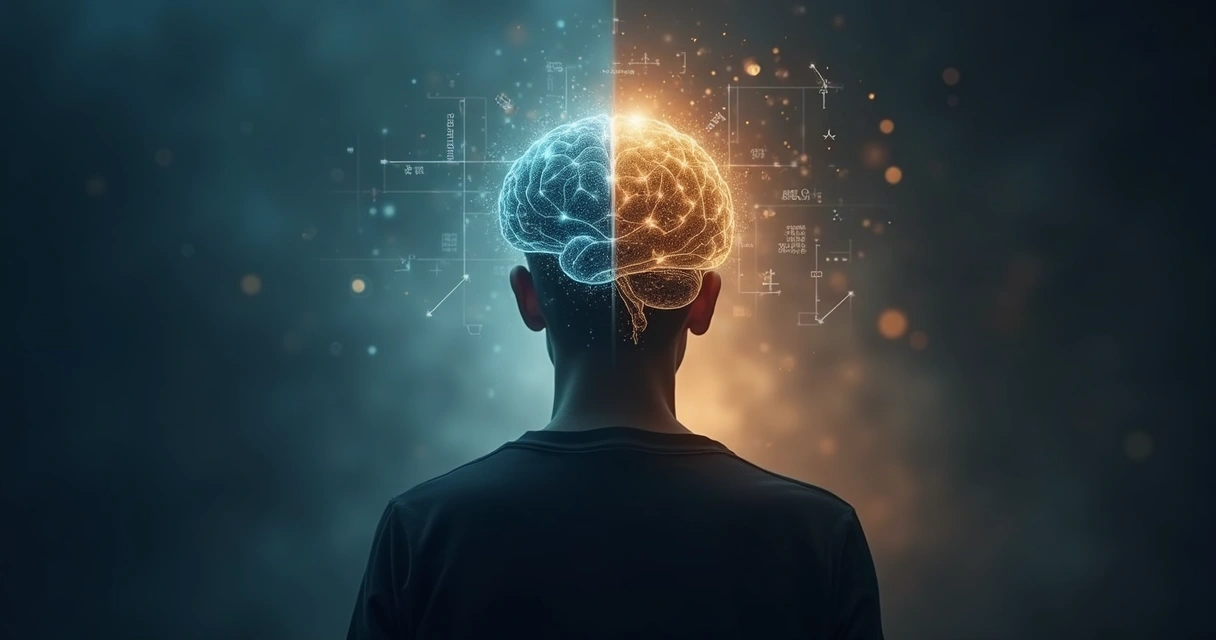
Many of us get trapped in “either–or” thinking: logic vs. intuition, science vs. spirituality, facts vs. values. But real growth comes when we see these pairs as partners, not rivals. If you find yourself forced to pick only one side, or feel stuck arguing between extremes, this may signal that your underlying way of knowing is too limited for today's questions.
The world is not black or white. Grays, colors, and unseen shapes fill the gaps.
We have seen that an integrative update allows you to hold these pairs together, finding new ways forward where multiple truths can coexist and inform each other.
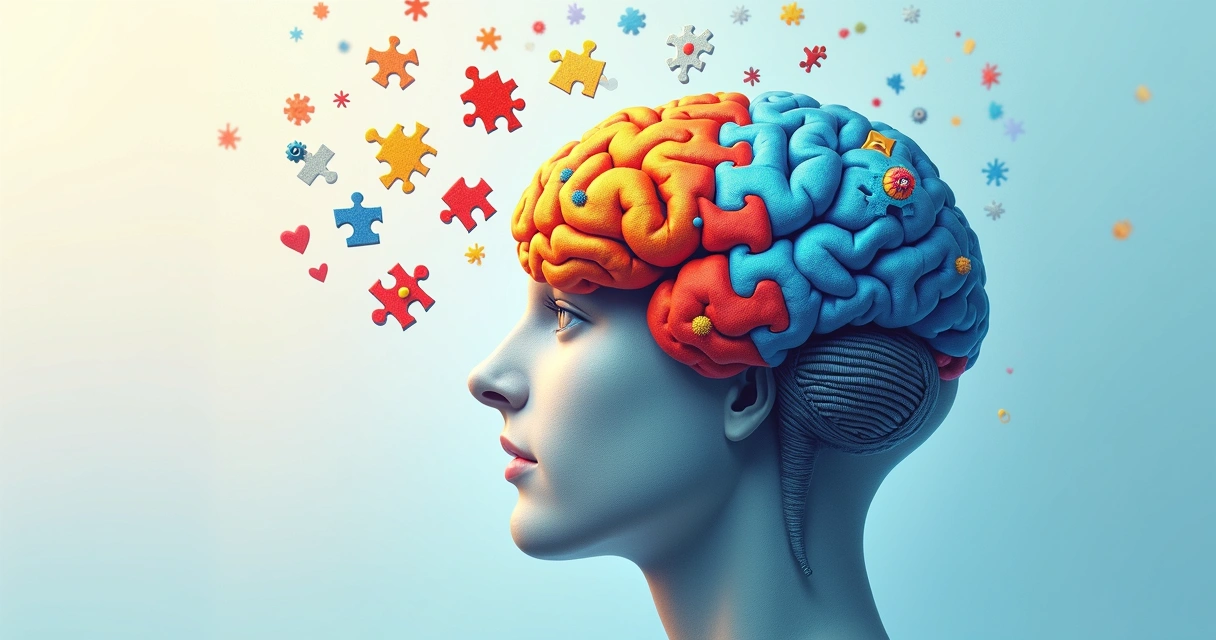
4. You distrust emotions and subjective experience
For decades, feeling and subjectivity have been set aside in the name of objectivity. Yet, our choices, relationships, and health are shaped by emotion, motivation, and lived experience. If you catch yourself dismissing these as “soft” or “irrational,” your epistemology might be working with outdated assumptions.
Knowing is not less valid because it is felt or personally experienced.Bringing in emotional intelligence and empathy can deepen our grasp of what's real, not weaken it.
5. You rely on old answers for new questions
Maybe you notice that your go-to methods for making sense of the world no longer fit emerging situations. When someone brings a new idea or challenges a tradition, do you fall back on “that’s how it’s always worked”? Change in society, technology, and worldview is rapid. If your tools for understanding seem fixed while the questions become more complex, it is time to update.
- Do you use the same logic for new fields or landscapes, even if results are unclear?
- Are you doubtful of perspectives that challenge the status quo, simply because they are new?
A healthy epistemology grows alongside reality. When it no longer flexes or updates to meet new contexts, it ends up obscuring more than it reveals.

6. You ignore the effects of your knowledge
Every way of knowing shapes the world and the people around us. We have seen cases where certainty blinds us to unintended consequences, or where “neutral” knowledge just reinforces the current balance of power. If you rarely ask, “What impact does this knowledge have on my life, my relationships, or the world?” it may be that your epistemology is too closed-off from lived experience.
Knowing changes not just what we see, but how we act.
When questions about knowledge lead only to theories and never to impact, it signals that your system could benefit from an integrative perspective.
7. You experience anxiety or stagnation in personal growth
Most people sense when their model of knowing life is becoming too small. It might appear as a background unease, lack of motivation, or a feeling of being stuck. Sometimes, you notice that learning fails to inspire new directions, or that your decisions recycle old mistakes. This can occur when the frame you use to interpret the world does not grow with your experiences.
Integration breathes fresh air into understanding, opening space for evolving meaning. When this space is missing, anxiety and stagnation often speak louder than words.
Conclusion: The courage to change how we know
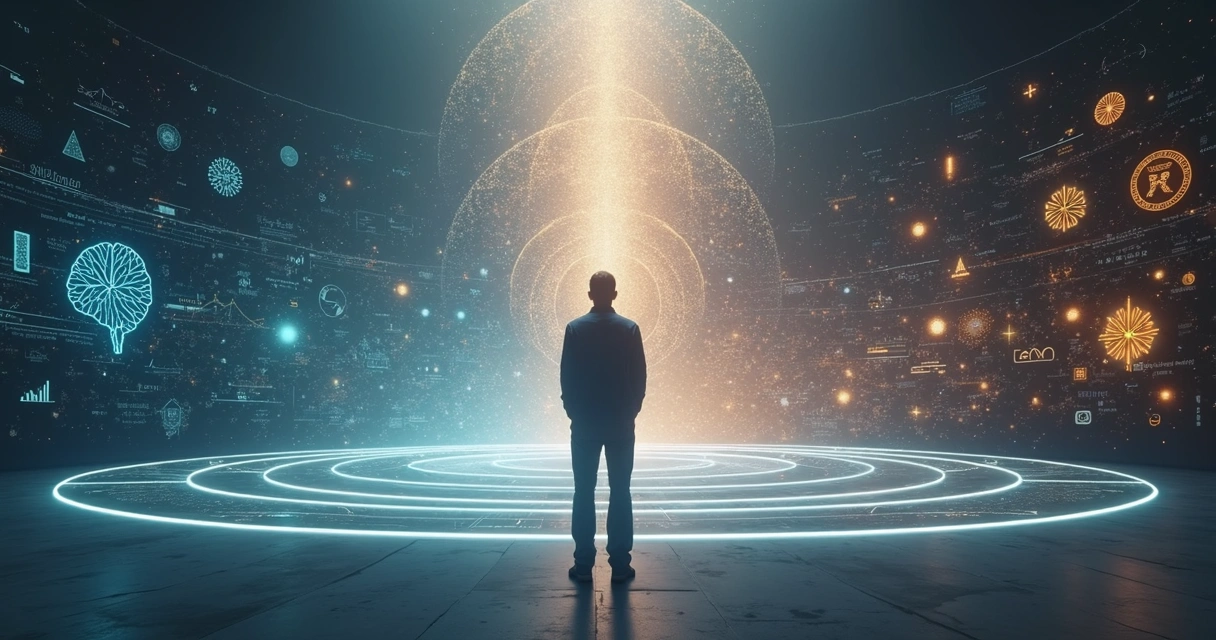
If you find these signs familiar, you are not alone. We believe that recognizing the limits of an old epistemology is not a personal weakness, but the first step toward a wiser relationship with life. Integrating diverse forms of knowledge, emotion and reason, intuition and logic, self and world, creates room for solutions that respond to the fullness of reality.
The world asks us not only what we know, but how we know.When we change that, everything changes with it.
Frequently asked questions
What is integrative epistemology?
Integrative epistemology refers to an approach to knowledge that brings together multiple ways of knowing, such as reason, emotion, experience, and dialogue, into a coherent whole.Rather than favoring only one source, like science or tradition, it recognizes the value of combining perspectives, so that understanding grows in both depth and practicality.
How to know if my epistemology needs updating?
Consider how often you find yourself stuck in repeating patterns, feel disconnected from other people's views, or notice tension between different parts of your experience. If your answers no longer satisfy new questions, or you end up side-stepping emotions or values, your way of knowing could benefit from review and integration.
What are signs of outdated epistemology?
Some signs include feeling stuck in unchanging problems, relying only on logic or tradition, ignoring emotions, falling into black-and-white thinking, and feeling disconnected or anxious about growth. When knowledge feels narrow, rigid, or unable to adapt to life’s complexity, it may be outdated.
How can I update my epistemology?
Start by reflecting on your core assumptions about knowledge. Reach out to new perspectives and disciplines. Practice connecting subjective and objective knowledge, and stay attentive to the actual effects your knowledge has in your life. Asking honest questions and being open to change are key to the updating process.
Is it worth it to change epistemology?
Yes, especially when your current approach to knowledge keeps you stuck or blind to vital dimensions of life. Updating your epistemology can open the way to personal growth, better relationships, and a greater sense of purpose. Changing how you know often leads to knowing more, and living more fully.