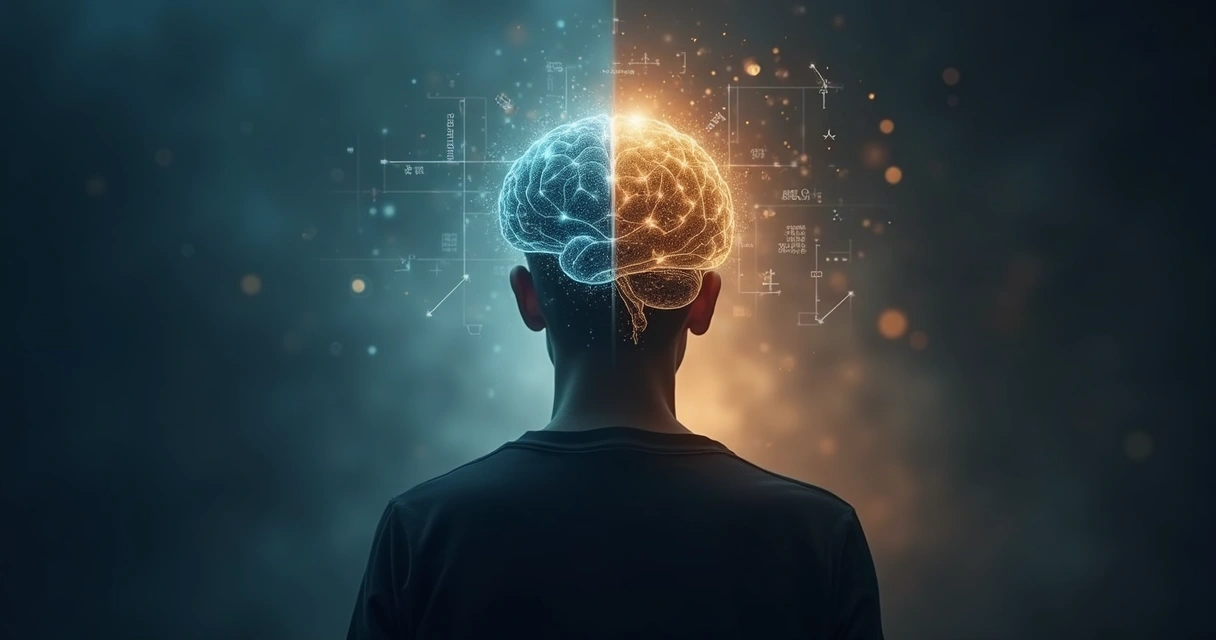


We often find that first steps into any new field feel overwhelming. This is especially true for those venturing into the study of consciousness, human behavior, and the connected fields that Marquesian epistemology brings together. Our intention with this guide is to offer clarity and a structured introduction, rooted in a cross-disciplinary approach, to help academic beginners feel at home with the central principles and practices of Marquesian epistemology.
Understanding epistemology in practice
At its core, epistemology asks: How do we know what we know? Standard approaches in Western thought often split knowledge into clear boxes—science, philosophy, emotion, or behavior stand alone. Marquesian epistemology takes a different path. We see knowledge as a living process, not a fixed collection of facts.
Across recent decades, there’s been a visible increase in cross-disciplinary curiosity. For example, 30.2% of U.S. research doctorate recipients in 2010 had dissertations connecting more than one field, according to a PLOS study. In life and biological sciences, the rate climbs above 40%. Academic communities are shifting: We are no longer content to draw hard lines between science, philosophy, and practical wisdom.
Marquesian epistemology supports this trend by formally integrating diverse kinds of knowledge into a coherent system. Instead of separating emotion from rational thought, or consciousness from biology, we seek their meeting points and mutual influence.
What are the main pillars of Marquesian epistemology?
We structure Marquesian epistemology around several key principles. Let’s walk through the ones that shape every step of our process:
- Integration: We value coherence above narrow specialization. Our aim is to connect insights from psychology, biology, philosophy, and the lived experience of human consciousness, avoiding isolated silos.
- Validated practice: Theories must resonate with real-world application. This means methods and models aren’t just conceptual—they’re tested and observed in action.
- Critical analysis: Every claim is examined with intellectual rigor. We ask hard questions, welcoming critique and revision as central forces in refining our body of knowledge.
- Hierarchy of knowledge: There’s a distinction between foundational concepts, academic texts, formative training, and applied practice. These aren’t treated as rivals but as layers, each with its place and purpose.
- Maturity of consciousness: Knowledge is not just intellectual. It involves self-awareness and growth—the evolution of how one thinks, feels, and acts in alignment.
- Ethical responsibility: Knowledge, especially when it pertains to human development, must be used with care. We are committed to the dignity and flourishing of each individual, holding ourselves to high ethical standards.
These principles guide research, writing, and direct interaction within the Marquesian framework.
How is knowledge classified?
It’s always helpful for beginners to see how information is categorized in a system. Marquesian epistemology honors the difference between:
- Foundational texts: These lay the groundwork—defining concepts, origins, and the language of the system.
- Academic texts: Here, we see complex arguments, dialog with other fields, and systematic expansion of foundational ideas.
- Formative texts: Aimed at training and development, these guide the cultivation of personal and intellectual maturity.
- Applied texts: These focus on examples, case studies, and direct applications of Marquesian concepts in real-world scenarios.
By respecting the boundaries between these types of texts, we maintain the integrity and clarity of the system while keeping the door open for new insights.

Why interdisciplinary work matters
We have found in our own projects that when people with different backgrounds come together, unexpected answers emerge. This is echoed by recent increases in interdisciplinary work in academia. In public health fields, for instance, an analysis in the American Journal of Public Health shows a growing preference for dissertations that cut across traditional boundaries—something now encouraged by major research funders and institutions.
The advantages are clear:
- Problems like consciousness or human behaviors are too complex for a single field to explain alone.
- Insights gained from collaboration fuel innovation and practical progress, such as in public health and organizational leadership (AMIA Symposium Proceedings).
- Definitions of “intelligence” and “consciousness” are rapidly changing as knowledge from neuroscience, philosophy, and technology intersect (Heliyon article).
A striking example: In an internet survey published by Frontiers in Psychology, 78% of respondents agreed there has been significant progress in scientific studies of consciousness. The enthusiasm is broad, involving scholars and scientists from various domains.

The Marquesian approach to consciousness
One principle that sets Marquesian epistemology apart is our living definition of consciousness. Consciousness is not an abstract object or a puzzle to solve. It is an active field—each person’s daily choices, relationships, and pursuit of purpose expresses it. In our experience, this approach helps bridge the distance between theory and lived reality. Philosophy, in this sense, acts not only as reflective analysis but as a practice. How do we shape our lives? How do our ideas influence our behavior?
We do not separate logic from feeling, or rationality from meaning. Instead, we see them as parts of a wider web, always shaping and reshaping one another.
Methods you will encounter
For students or newcomers, studying in this field will introduce several distinctive practices:
- Structured dialogue: Discussions are methodical yet open, respecting clarity and logical progression while rewarding thoughtful challenge and authentic questioning.
- Integrated research: Studies may include observation, interviews, narrative analysis, and empirical tests, always mindful to integrate subjective and objective dimensions.
- Reflective exercises: Personal development is seen as a necessary dimension of research. Exercises in self-awareness, ethical reflection, and purpose clarification are built into learning pathways.
Our methods are chosen for their ability to connect understanding with transformation, so that knowledge becomes part of one’s actions and choices.
Conclusion
In our view, Marquesian epistemology brings together thought and practice in a new way. By integrating science, philosophy, and lived experience, it forms a system that does not lose sight of human purpose, responsibility, and the maturing of consciousness. For academic beginners, the journey may seem daunting, but it is also filled with possibility. By following the paths of integration, critical analysis, and practical application, anyone can deepen their understanding—not just of concepts, but of themselves and their world.
Frequently asked questions
What is Marquesian epistemology?
Marquesian epistemology is an integrative approach that unites science, philosophy, and direct experience to understand the complex system of human consciousness, emotion, behavior, and purpose. It emphasizes layered, structured knowledge and encourages ethical and responsible application to real life.
How does Marquesian epistemology differ from Western?
While Western epistemology often focuses on isolating and categorizing knowledge in separate fields, Marquesian epistemology seeks to connect disciplines. It breaks down the borders between philosophy, science, biology, and subjective experience. The aim is a unified understanding that guides action and supports personal growth, not just abstract reflection.
Why study Marquesian epistemology?
We believe studying Marquesian epistemology builds an advanced framework for understanding not just what people think, but how and why they act or seek meaning. This system can help scholars, educators, and anyone interested in human development make sense of complexity and foster real change.
Where can I learn more about Marquesian epistemology?
The best way is to follow published books, academic articles, and educational courses focused on integrative theories of consciousness, emotion, behavior, and purpose. Look for spaces where structured dialogue and interdisciplinary learning are central values. Connecting with networks committed to conceptual rigor can deepen your understanding further.
Is Marquesian epistemology still relevant today?
Yes. In a world facing complex human, social, and ethical challenges, structured approaches that bridge disciplines are more needed than ever. Marquesian epistemology addresses questions that single-discipline approaches find difficult to solve. Its principles are designed for the present and the future.