


Change in human behavior is rarely accidental. When we look around us, small acts—like putting away a phone to listen attentively or pausing before replying to a difficult question—reveal deep layers of learning and adjustment. What sits quietly behind these changes? One answer stands out: feedback loops.
We notice it in simple things. A person corrects their posture after a friend points out their slouch. Another starts waking up earlier after feeling sluggish during important meetings. The world sends signals; we adjust. This simple exchange, when structured, becomes a feedback loop that can transform our habits, mindsets, and even the direction of our lives.
Understanding feedback loops
A feedback loop is a process in which an action causes an effect, that effect is observed, and then the information gained is used to alter future actions. This cycle repeats, either reinforcing the original pattern (reinforcing loop) or reducing it (balancing loop). In our experience, this process can be natural and unconscious or deliberate and planned, depending on the attention we give it.
Types of feedback loops
The most practical way to structure this concept is by recognizing two main types:
- Positive (reinforcing) feedback loops: These amplify behavior. For instance, every time a person receives praise for generosity and feels good, they are prompted to act kindly again.
- Negative (balancing) feedback loops: These reduce or correct behavior. When our body heats up, we sweat to cool down. When we notice a mistake, we correct our approach next time.
Both forms appear in daily life, sometimes together. What is especially significant is the conscious application: recognizing, building, and maintaining feedback loops to create lasting behavioral change.
Why feedback matters for changing behavior
In our observations, information alone rarely shifts behavior. People often know what they want to change but struggle to move from intention to action. Feedback makes the process visible, tangible, and actionable. At its core, it closes the gap between our ideals and our lived choices.
Notice. Adjust. Grow.
Without feedback, the journey feels like walking in the dark. With it, the path lights up, step by step. The loop provides both direction and motivation, unlocking sustained change.
The anatomy of an effective feedback loop
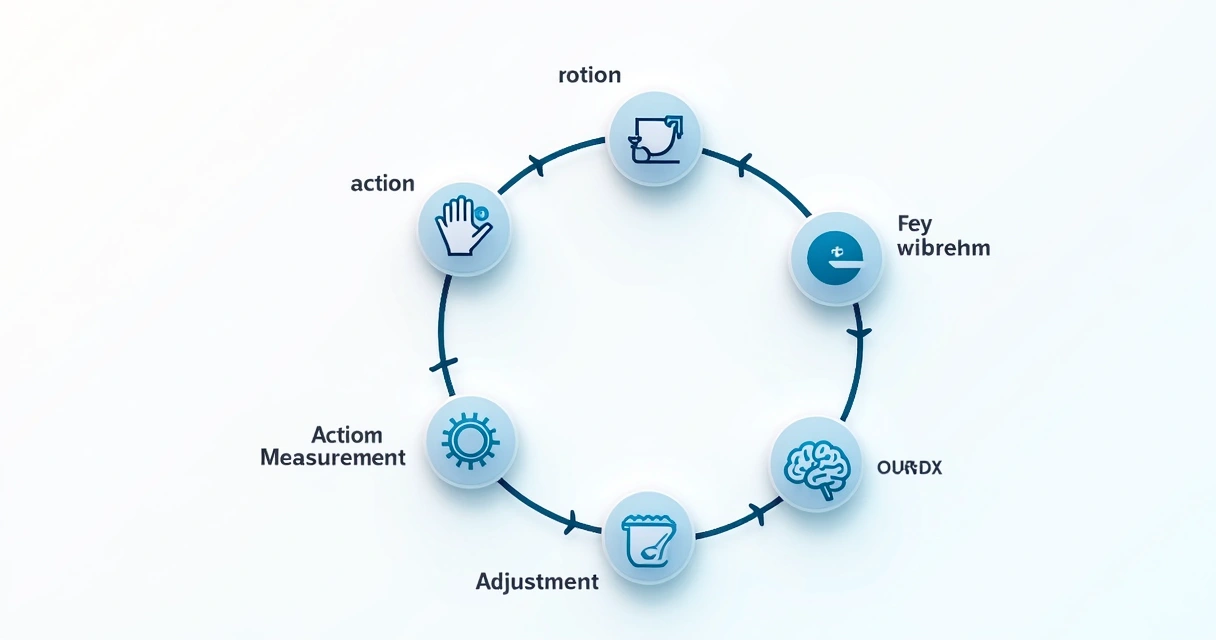
Every feedback loop contains a few key parts. When these work together, they naturally support behavioral transformation.
- Action or behavior: This is the choice or habit we wish to examine or shift.
- Measurement or signal: A way to observe or measure the outcome of the action.
- Information or interpretation: Understanding what the result means and what message it holds.
- Adjustment: Using the insight to inform the next action, closing the loop and starting over.
For a concrete example, consider someone wanting to improve listening skills. They decide to notice every time they interrupt in a conversation (measurement). Each day, they record the number of times this happens (signal). At night, they reflect on what triggered the interruptions (interpretation), and set an intention to stay silent longer the next day (adjustment).
Steps to design feedback loops for personal change
Building feedback loops for meaningful change calls for intent and structure. Based on our work, these steps show a simple way to get started:
- Identify the behavior to change:
Be specific. Instead of “be healthier,” choose “walk 15 minutes after lunch.” The more precise, the easier to measure.
- Choose a measurable signal:
Pick something objective: number of times, duration, or a clear outcome.
- Track it consistently:
Use journals, mobile notes, or tally marks. What matters is a structure that you can sustain.
- Reflect and interpret:
At regular intervals (daily, weekly), review the record. What patterns stand out? Why did things go as they did?
- Adjust and plan:
Based on reflection, pick one small change for the next cycle. This is how the loop propels growth.
Consistency is the secret—to see progress, review and adjust the loop regularly. Over time, you will notice not just changes in behavior, but a shift in awareness about the patterns themselves.
Practical ways to strengthen feedback loops
We have found a few strategies that make feedback loops more effective for transformation:
- External feedback: Invite trusted peers, mentors, or family members to provide observations. Sometimes, what we don’t notice in ourselves is clear to others.
- Use reminders: Set alarms or visual cues to check your progress. This makes feedback part of daily routines.
- Create regular reflection spaces: A simple weekly review—no more than 10 minutes—can multiply the value of the feedback loop.
- Celebrate small wins: Positive reinforcement strengthens motivation. Note progress, no matter how modest.
- Recalibrate often: If the loop stops producing insight, tweak the measurement, frequency, or source of feedback.
Growth happens where honest feedback meets real willingness to change.

Common challenges and how to face them
Not every loop works on the first try. In our observation, these challenges occur often, but each has a way forward:
- Vague goals: When the target behavior is not clear, feedback is confusing. Be as direct as you can about what to measure.
- Irregular tracking: If notes aren’t taken consistently, the feedback loses accuracy. Create a routine to improve this.
- Ignoring signals: Sometimes the measurement shows an uncomfortable truth. Sit with it, rather than avoid it. Honest feedback is the most useful kind.
- Lack of adjustment: If nothing changes after feedback, the loop breaks. Decide on one new action each review period, no matter how small.
Feedback loops are not about perfection—they are about progress. Each cycle, even if imperfect, brings greater understanding and more authentic action.
Building a feedback mindset
Lasting transformation does not rely only on one loop, but on adopting a feedback mindset. This mindset welcomes information, questions assumptions, and stays curious about change. In our work, we observe that people who see every experience as feedback—whether external or internal—become more agile and self-aware.
Every experience contains a message for growth.
Adopting this approach makes growth less stressful and more natural. The feedback loop stops being a tool and becomes a way of seeing life. In time, small changes accumulate. The gap between intention and behavior narrows.
Conclusion
Behavioral transformation is not mysterious. It begins with one deliberate step: notice, adjust, repeat. Feedback loops make progress possible by anchoring our actions in real information and gentle correction. By structuring this process, tracking it, and reflecting with honesty, we shape new patterns—ones that better serve our values and purpose.
Frequently asked questions
What is a feedback loop?
A feedback loop is a repeating process where an action leads to a result, and that result is used to inform or adjust the next action. This creates a cycle that helps refine or improve behavior over time, based on the information gathered from previous actions.
How do feedback loops change behavior?
Feedback loops change behavior by providing ongoing information about the effects of our actions. This allows us to recognize patterns, understand what works or doesn’t, and make adjustments that lead to gradual improvement or transformation.
Are feedback loops really effective?
Yes, feedback loops are effective because they provide a clear structure for learning and growth. They help turn reflection and adjustment into a routine, allowing small changes to accumulate into meaningful progress over time.
What are the best types of feedback loops?
The best feedback loops are simple, objective, and regular. They include clear measurement, honest interpretation, and consistent review. Personal reflection, peer observation, and digital tracking tools can all create strong feedback loops when used thoughtfully.
How can I set up a feedback loop?
To set up a feedback loop, decide on a specific behavior to track, choose how you’ll measure it, record the results regularly, reflect on them, and adjust your actions based on what you learn. Repeat the cycle, refining your approach as you gain new insights.