


We often think of metaphors as figures of speech. Yet many of them live in the body before they reach language. We feel pressure in the chest, speak of carrying a burden, seek warmth in a room, and talk about distance in a strained bond. These are not random expressions. They show how bodily experience helps shape perception, judgment, and action.
Embodied metaphors are patterns in which physical experience gives form to thought, emotion, and behavior.
In our view, this matters because people do not respond only to facts. We respond to felt meanings. A tense neck can make a task seem heavier. An open posture can make dialogue seem safer. A cold setting can make a social exchange feel less welcoming. The body keeps offering a frame, and the mind often follows it.
This is not rare language. According to research discussed by the University of Arizona, people use a metaphor about every 20 words in spontaneous speech or text. That tells us something simple and deep. Metaphor is woven into daily sense-making.
We do not just speak in metaphors. We live through them.
Why these metaphors matter in ordinary life
Picture a normal morning. We wake up feeling “heavy.” We enter a meeting and sense “tension.” We say a friend is “close,” a deadline is “hanging over us,” and a mistake “left a mark.” None of this is merely decorative speech. These expressions guide expectation and conduct.
When a metaphor becomes habitual, it can shape three things at once:
- How we interpret what is happening
- How we prepare the body to respond
- How we repeat the same response later
That is why embodied metaphors deserve attention. They can calm us or trap us. They can widen our choices or narrow them without notice.
Ten embodied metaphors we enact every day
Below, we present ten common embodied metaphors and the kinds of behavioral responses they often support.
1. Weight as responsibility
When we say something feels heavy, we usually mean more than effort. We mean moral or emotional load. A person caring for family, work, and inner conflict may move slower, breathe shallowly, and postpone decisions. The body mirrors the metaphor.
The more burdened we feel, the more likely we are to treat choices as costly.
2. Warmth as trust
Warmth is one of the earliest forms of safety we know. So later, social warmth often becomes linked to acceptance. We call someone warm, cold, distant, or welcoming because bodily memory helps classify relationship quality.
In our experience, a warm tone, soft gaze, and relaxed shoulders can shift a hard conversation more than perfect wording.
3. Distance as emotional protection
We speak of keeping distance when we fear intrusion, disappointment, or conflict. Physical spacing, reduced eye contact, and shortened replies often reflect an inner need for protection. Here, distance is not only spatial. It becomes a strategy.
Sometimes this helps. Sometimes it keeps repair from happening.

4. Up as hope, down as defeat
Vertical orientation affects mood and conduct in quiet ways. We lift the head when encouraged and lower it when ashamed or tired. We speak of rising spirits and sinking feelings because uprightness often carries a sense of possibility.
A short walk, standing tall, or changing gaze level will not solve deep pain. Still, it can shift the immediate frame from collapse to movement.
5. Tightness as control
Many of us respond to uncertainty by tightening. Jaw, abdomen, hands, schedule, tone. Tightness creates a sense of control, even when life remains open and unstable. The metaphor here is that firmness equals safety.
We have seen how this can produce fast reactions, rigid conversations, and low tolerance for ambiguity.
6. Flow as ease
When people say things are flowing, they usually mean action and attention are meeting without friction. Breathing is fuller. Timing feels natural. Behavior becomes less defensive. This metaphor often supports confidence and continuity.
But we should be careful. Flow is not the same as passivity. Healthy flow includes adjustment, not avoidance.
7. Pressure as urgency
Pressure is felt in muscles, breath, and tempo. Once activated, it can turn neutral demands into threat. A person under pressure may interrupt more, rush decisions, skip reflection, or cling to the first available answer.
Pressure narrows perception, and narrowed perception often produces reactive behavior.
8. Openness as receptivity
An open chest, uncrossed arms, and a stable breath often support listening. We call ideas open or closed for a reason. Bodily openness can prepare the person to receive novelty without instant rejection.
Inevitably, there are days when we notice the opposite. One difficult remark, and the whole body closes. It happens fast. That speed is exactly why awareness matters.
9. Grounding as stability
To feel grounded is to sense contact, orientation, and enough internal steadiness to respond rather than collapse. Feet on the floor is not a poetic detail. It is a way of restoring reference.
People who feel ungrounded may drift, overthink, or seek constant reassurance. Grounding helps behavior become more measured.
10. Boundaries as containment
We describe healthy limits in spatial terms because the body understands inside and outside. A clear boundary is felt as a container. It supports saying no, pausing, choosing pace, and protecting meaning.
Without that felt container, people may overextend, merge with demands, and later react with irritation or withdrawal.
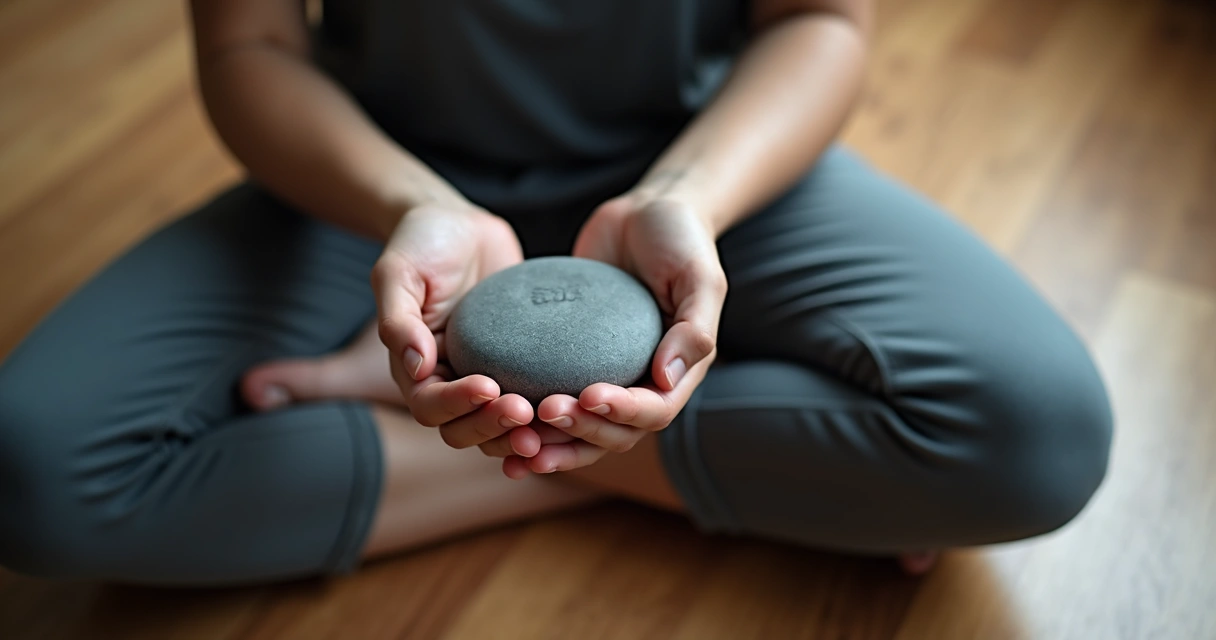
How to notice these metaphors in yourself
We do not need special jargon to start. We only need honest observation. A helpful way is to ask:
- What physical quality is dominating right now, such as weight, pressure, heat, or distance?
- What meaning am I giving that sensation?
- What behavior seems to follow from that meaning?
For example, if a conversation feels heavy, we may already be preparing for defeat. If a task feels tight, we may be forcing a single answer where several are possible. Naming the metaphor can loosen its grip.
Name the frame. Change the response.
Conclusion
Embodied metaphors shape behavior because the body is not separate from meaning. It is one of its first homes. Weight, warmth, pressure, openness, and distance are lived patterns that color how we decide, relate, and protect ourselves. Once we notice them, we gain a little more freedom. Not total freedom. But enough to choose with more clarity.
When we shift the felt metaphor, we often shift the behavior that comes with it.
Frequently asked questions
What are embodied metaphors?
Embodied metaphors are links between bodily experience and abstract meaning. We use physical patterns such as warmth, weight, distance, or pressure to understand feelings, relationships, and choices. They appear in language, but they also shape posture, attention, and reaction.
How do embodied metaphors affect behavior?
They affect behavior by framing how a situation feels before we fully think it through. If something feels heavy, we may hesitate. If a person feels warm, we may trust more easily. If a moment feels pressurized, we may respond too fast. The metaphor becomes a guide for action.
Can embodied metaphors be changed?
Yes, many can be changed or softened through awareness and repeated practice. Breath, posture, pacing, tone, and attention can all help shift the felt frame. A person who feels trapped by pressure, for instance, may regain choice by slowing the body and restoring a sense of space.
Why are embodied metaphors important?
They are important because they influence daily behavior in subtle but steady ways. They affect how we judge risk, approach conflict, interpret closeness, and carry responsibility. When we become aware of these patterns, we can respond with more coherence and less automatic repetition.
Where can I learn more about embodied metaphors?
A good place to begin is by reading accessible academic material on metaphor, cognition, and behavior, including the University of Arizona article cited above. We also learn a great deal by observing our own speech, posture, and emotional habits in daily life. That often reveals more than we expect.