


We live in a world shaped by constant notifications, digital demands, and a blur between the online and offline. This reality affects more than our routines—it influences how we find meaning and make conscious choices. The rise of technological culture has transformed the landscape of human consciousness, bringing with it unique obstacles for those pursuing depth and purpose. After observing this landscape for years, we have identified nine ways in which technology disrupts our conscious sense of purpose. Some are obvious; others, subtle. All of them are real. Let’s see how they weave through our experience and what we can do about it.
1. Continuous distraction fragments attention
Every beep and buzz steals a slice of our attention. The digital world is built to interrupt, to call us back with every alert and update. We find ourselves working on a task, then suddenly pulled away by a message or timeline. This fragmentation makes sustained focus rare, and without focus, conscious purpose slips further from our grasp.
We scroll, we tap, and we drift away from why we started.
It is difficult to hold a sense of 'why' when our attention is constantly elsewhere. Reclaiming conscious purpose means deliberately creating spaces for deep, meaningful engagement—free from digital noise.
2. Overexposure to constant comparison
Digital platforms put other lives on display—filtered, curated, and often exaggerated. We compare our worst days to others’ highlight reels without realizing the distortion. This comparison can erode our self-acceptance, shift our sense of direction, and challenge our inner purpose.
Instead of asking, “What matters most to me?” we ask, “How do I measure up?” Over time, this pattern can press us to shape our goals according to outside standards instead of inward meaning.
3. Acceleration of pace leaves little time for reflection
The speed of information has changed our sense of time. Deadlines tighten, messages arrive faster than we can process, and life seems always urgent. In our experience, when everything is accelerated, reflection time is sacrificed. We sense there is no room for pause, so we move from task to task without breathing space.
But conscious purpose thrives in reflection. Clarity, direction, and meaning cannot be rushed. Technology’s pace, left unchecked, can blur the boundaries between urgency and importance.

4. Algorithmic shaping of values
Every click, like, or search teaches algorithms about us. In turn, these systems feed us content that matches and deepens certain patterns. Over time, we may find our interests subtly molded—or narrowed—by what is served to us. We may think our interests are our own, yet invisible forces guide what is seen or hidden.
Our conscious intentions can become less clear, as unconscious habits driven by algorithms steer our attention. Purpose built under these conditions risks being secondhand, shaped by patterns we never chose.
5. Erosion of face-to-face connection
Messages and video calls cannot fully substitute for physical presence. Nonverbal cues are missed; embodied empathy is reduced. Over time, digital communication may make us feel less seen, less heard, and less anchored to community.
We need human contact for meaning to grow.
Purpose is not built in isolation. It is connected to shared experience and real relationships, not just digital exchanges.
6. Sensory overload challenges inner stillness
Lights flicker, screens glow, multiple tabs call for attention. Our senses are constantly stimulated by digital input. This overstimulation makes it hard to access the quiet needed for self-inquiry and purpose discovery. We may even forget what stillness feels like, mistaking restlessness for normality.
The body and mind need space and quiet to sense inner purpose, and technological culture often fills that space with noise.
7. External validation shifts motivation
“How many likes did I get?” “Did anyone comment?” Platforms are designed to reward us for external approval. This shapes how we act and what we value, sometimes unconsciously. Our own voice can get lost as we perform for an assumed audience, trading self-respect for short-term digital acknowledgment.
- Praise can feel addictive, drawing us back for more.
- Motivation drifts from meaning towards popularity.
- We shape our choices for others, not ourselves.
When motivation shifts outward, our conscious sense of direction becomes vulnerable and reactive.
8. Information overload weakens meaning
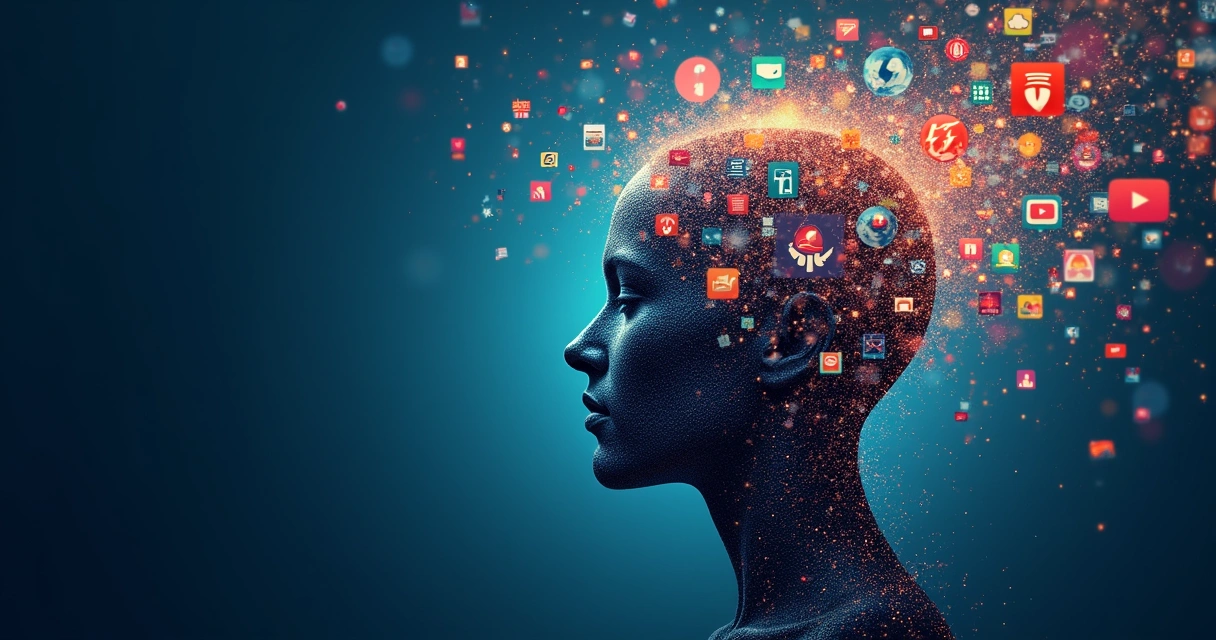
We have access to more information than ever before—facts, opinions, options. Yet, too much information can weaken meaning. We skim, rather than engage; gather, rather than consider. Sometimes, the sheer volume leaves us feeling powerless or confused, unsure what matters.
Without the ability to filter and prioritize, our sense of purpose can be flattened by the clutter of too many options.
9. Blurring boundaries between work and life
Emails follow us home. Messages arrive at any hour. The lines dividing work, rest, and personal reflection almost vanish. When technology keeps us “on” at all times, intentional living fades.
Rest is where purpose grows, not just where tasks end.
Without clear boundaries, we struggle to nurture our own needs, values, and aims. Instead, we respond endlessly to what is “next.”
Conclusion: Recovering conscious purpose amid the noise
After reflecting on these patterns, we are convinced that technological culture brings both promise and pitfalls. For those seeking a conscious, purpose-driven life, the challenge is to notice how each of these disruptions acts in daily experience—and to respond with care.
Attention, reflection, presence, and boundaries are not luxuries; they are foundations for meaning amid digital abundance. By making small but consistent choices, we reclaim our depth and direction.
The path to conscious purpose now requires more than intention. It calls for skillful engagement, courage to disconnect, and sensitivity to what nourishes us. This is ongoing work. But it can be done. We have seen it—step by step, moment by moment, choice by choice.
Frequently asked questions
What is technological culture?
Technological culture is the set of social habits, values, and behaviors shaped by widespread access to digital devices, platforms, and systems. It influences how we communicate, work, learn, and find meaning in life, sometimes for better and sometimes for worse.
How does technology disrupt conscious purpose?
Technology disrupts conscious purpose by fragmenting attention, filling our environment with distraction and comparison, and shifting how we set goals and live out values. It tends to favor fast, reactive habits over slow, reflective choices, making it harder to construct a purpose from within.
Can technology help with mindful living?
Yes, technology can support mindful living if used with awareness and intention. Certain tools can aid reflection, learning, and connection, but the key is to keep control over how and why we use them, rather than letting habit or external validation take over.
What are the signs of tech overload?
Common signs of tech overload include mental fatigue, trouble focusing, irritability, lack of reflection time, comparing oneself constantly, trouble sleeping, and feeling disconnected from real-life relationships. Small changes in digital habits can help to regain balance.
How to balance technology and consciousness?
Balancing technology and consciousness starts with setting boundaries for digital use, making time for intentional reflection, and prioritizing real-world connections. Turning off notifications, creating device-free times, and regularly checking in with your core values help cultivate a space for conscious purpose alongside digital convenience.